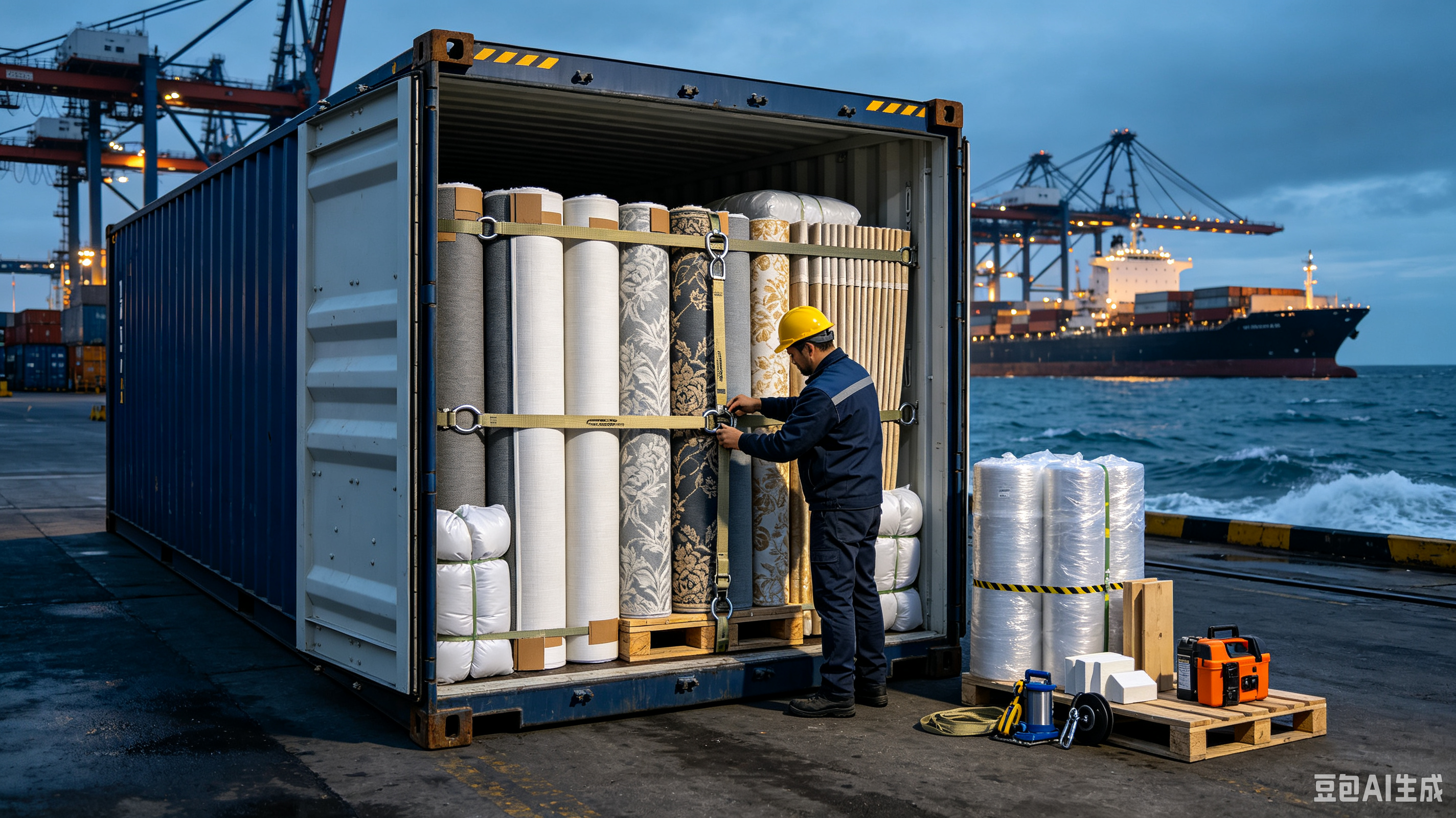
Analyzes 2026 textile anti-dumping rules, trade barriers, compliant factory selection, diversified shipping and hot fabrics.
In 2026, global home textile trade barriers keep escalating. Multiple countries have launched anti‑dumping and anti‑circumvention investigations against Chinese textiles. The EU and Spain have simultaneously rolled out new policies including EPR waste responsibility and ESPR ban on textile destruction. Mexico has implemented strict digital customs verification systems, greatly raising compliance thresholds for soft furnishing fabric exports. Anti‑dumping investigations on plush fabrics in Morocco and polyester‑cotton fabrics in Peru have taken effect. Amid fluctuating capacity and frequent port detention on Middle Eastern shipping routes, many overseas buyers suffer additional tariffs, cargo detention at ports, customs fines and abandonment losses due to selecting inappropriate suppliers and unfamiliarity with regional trade rules. Combining the latest foreign trade developments, precise sourcing skills at trade fairs, diversified sea freight risk avoidance strategies and Wanbo’s compliant best‑selling fabrics, this article creates a low‑risk and highly compliant import and procurement solution of curtain and upholstery fabrics for overseas soft furnishing importers.
Currently, the biggest risk in overseas home textile procurement is no longer simple quality issues. Regional trade barriers and tariff sanctions have become the core cause of losses. In 2026, Morocco launched an anti‑dumping investigation on Chinese textile fabrics. Peru strengthens crackdowns on circumvention practices for polyester‑cotton blended fabrics. Low value‑added ordinary woven curtain and carpet fabrics are easily identified as involved product categories and subject to heavy anti‑dumping duties. The EU fully enforces the ESPR sustainable regulation which prohibits the destruction of unsold textiles and requires imported soft furnishing fabrics to be equipped with complete life‑cycle traceability records. The Spanish textile EPR system taking effect by the end of the year obliges importers to bear fabric waste management costs; goods without compliance certificates are banned from circulation. Meanwhile, Mexico’s new customs law has come into force, digital documents and electronic value declarations have become mandatory customs clearance requirements, and incomplete documents will lead to direct penalties.
Risks on the shipping side have intensified simultaneously. In 2026, capacity on Middle Eastern and Red Sea routes has been reduced, with vessel schedules generally delayed for 7‑14 days. Container detention and skyrocketing detention fees frequently occur in ports such as the Gulf of Oman. Many small and medium‑sized factories lack sufficient logistics risk control capabilities, resulting in cargo abandonment and contract breaches for overseas orders. Numerous overseas buyers only focus on price and patterns during exhibition sourcing, ignoring whether suppliers possess anti‑dumping circumvention qualifications, multi‑country compliance certifications and diversified shipment channels. Only after placing bulk orders do they find that customs clearance is impossible and tariffs have doubled, leading to complete losses.
Two major international exhibitions in the second half of the year serve as premium channels for overseas buyers to screen qualified suppliers capable of resisting trade barriers. At the October Keqiao Autumn International Home Textiles Fair, original manufacturers from the Keqiao industrial cluster centrally display non‑involved and highly compliant soft furnishing fabrics. Buyers can verify factory export declaration categories, historical tariff records and compliance files on site. At November’s Heimtextil Global Home Textiles Fair, compliant fabrics adapted to the new EU EPR and ESPR regulations are highlighted. Buyers can connect with qualified factories holding export qualifications for Europe, the Middle East and Latin America to avoid risks brought by anti‑dumping measures and trade barriers.
Six core verification points for screening barrier‑resistant fabric suppliers at trade fairs. First, check product involvement risks and confirm that roller fabrics, window screens and upholstery fabrics are not included in anti‑dumping investigation lists of Morocco and Peru. Second, verify pre‑compliance documents for EU ESPR and Spanish EPR, including complete fabric waste management and environmental traceability files. Third, examine capabilities for handling Mexico’s digital customs documents and confirm suppliers can issue compliant electronic declaration materials. Fourth, review factories’ diversified export data with stable shipment records covering Europe, the Middle East and Latin America and low reliance on a single market. Fifth, confirm alternative sea freight solutions with capabilities for shipments via direct and transit routes to avoid detention risks at single ports. Sixth, prioritize original manufacturers and reject branded intermediaries to guarantee full consistency among documents, goods and factory information.
Practical solutions for overseas soft furnishing fabric procurement, barrier avoidance and sea freight export in 2026. In terms of product selection, actively stay away from ordinary blended fabrics exposed to high anti‑dumping risks and prioritize differentiated functional and new‑process fabrics to reduce the probability of trade sanctions. Always place small trial orders with new suppliers. Only proceed with bulk orders after verifying smooth customs clearance and tariff procedures. During contract signing, clearly define liability allocation for newly imposed tariffs, customs fines and cargo detention, and specify that suppliers shall bear losses caused by compliance failures.
Optimization of sea freight risk control: abandon sole reliance on Red Sea routes and adopt the strategy of coordinating northern and southern ports and diverting shipments via multiple routes with flexible switching between Shanghai and Ningbo ports. For regions in the Middle East with high detention risks, lock vessel schedules in advance, reserve buffer time for port detention and purchase full‑range marine cargo insurance. Archive complete digital documents in advance to meet digital customs clearance requirements of Mexico and the EU and prevent inspection penalties caused by document discrepancies. Meanwhile strictly distinguish declaration names for different fabric categories and standardize declared elements to avoid investigation risks under anti‑circumvention regulations.
Recommended compliant best‑selling fabrics resisting trade barriers for foreign trade 2026 (Wanbo)
- Functional Coated Blackout Roller Fabric: fabric manufactured with differentiated technology, not generally covered by anti‑dumping investigation lists. Compliant with new EU environmental regulations, core product for European and American engineering projects with extremely high customs clearance success rate.
- High‑Shrinkage Yarn Light Luxury Sheer Window Screen Fabric: produced with new weaving technology, featuring strong category uniqueness without trade sanction risks. Transparent texture fits global home decoration markets and maintains steady sales all year round.
- Ice‑Texture Jacquard Upholstery Fabric: distinctive three‑dimensional patterns, different from ordinary woven fabrics, helps evade tariff barriers in multiple countries. High‑profit hit product in the light luxury soft furnishing segment.
- High‑Density Yarn‑Dyed Woven Curtain Fabric: high‑end customized technology with high added value, not listed among low‑cost fabrics subject to sanctions, suitable for high‑end import markets in Europe, America and Australia.
- UV‑Resistant Outdoor Sunshade Fabric: special functional fabric for outdoor scenarios with low trade risks, continuously growing demand for courtyard projects in the Middle East and Australia.
Wanbo focuses on foreign trade of soft furnishing fabrics based in Keqiao, mainly supplying coated roller fabrics, high‑shrinkage yarn window screens, jacquard upholstery fabrics and outdoor woven fabrics. All product lines avoid fabric categories subject to anti‑dumping investigations in multiple countries, and compliance preparation for new EU ESPR and EPR regulations has been completed in advance. Well acquainted with customs policies, trade barrier rules and sea freight fluctuation risks across global regions, we can provide complete sets of digital customs clearance documents and compliant traceability files, matched with diversified port shipment schemes. We comprehensively help overseas buyers evade losses from tariffs and cargo detention and safely and steadily develop the global soft furnishing import market in 2026.