Extreme heat boosts sun‑shade fabric export, learn roller‑shade standards, popular materials and factory‑sourcing tips
sun‑shade fabricroller blindwindow decoration fabricoutdoor shade materialcustom window curtain
Entering the summer of 2026, many regions around the world have suffered successive spells of extreme‑heat weather. Indoor temperatures have surpassed 40℃ across large parts of Europe, triggering an explosive boom in foreign‑trade orders for heat‑insulating sun‑shading goods. Month‑on‑month growth rates for cross‑border enquiries concerning heat‑blocking blackout curtains and outdoor shade fabrics have peaked above 500%. According to industry‑survey statistics, the global market size for motor‑driven intelligent sun‑shading curtains will reach 2.644 billion US‑dollars this year, with an annual growth rate maintained at 5.57%. Distributors and hotel‑project contractors based in the Middle East, Europe and Australia are placing bulk purchases of functional window‑treatment fabrics and finished roller‑blinds. The 17th Keqiao Curtain and Soft‑ furnishing Fair has recently concluded. The exhibition gathered nearly 500 original‑source sun‑shading‑fabric manufacturers. Large numbers of overseas purchasers travelled to Keqiao to screen suitable supply‑chain partners. Drill‑free heat‑insulating curtains, UPF50+ outdoor shade cloth and ultra‑quiet motorised roller‑blinds rank as this season’s top‑selling goods. Faced with uneven‑quality suppliers, overseas buyers need to keep abreast of the newest industry trends, mandatory product specifications and factory‑selection benchmarks. Based on the market surge brought on by this summer’s high temperatures, this article elaborates key fabric‑selection guidelines, popular product categories and the cooperative advantages offered by one‑stop original‑source factories.
I. Three high‑demand overseas market segments for sun‑shading fabrics driven by 2026 summer extreme heat
1. European rental‑housing market: Skyrocketing demand for lightweight drill‑free heat‑insulating roller‑blinds
Most old‑style European apartments forbid wall‑drilling for renovation. Local tenants and residents within historic‑protection zones prioritise hook‑free mounted coated thermal‑insulation shade fabrics. Roller‑blind textiles processed with thermal‑barrier coatings can block more than 75% of solar thermal radiation, lower indoor temperatures effectively and cut air‑conditioner energy consumption. Among European foreign‑trade orders for this summer, orders for simple blackout and heat‑insulating fabrics have climbed 48% year‑on‑year. These represent fast‑moving standard commodities with relatively low entry barriers.
2. Middle‑Eastern engineering projects: UV‑resistant and weather‑proof outdoor sun‑shading fabrics become essential supplies
Countries such as Saudi Arabia and the United Arab Emirates endure year‑round intense sunlight. Strict standards are enforced on outdoor roller‑shade fabrics deployed by local hotels, commercial complexes and villa terraces. Fabrics are required to block over 99% of ultraviolet rays and attain colour‑fastness grade 4‑5, resisting long‑term strong sunshine and sand‑dust erosion. Per 2026 foreign‑trade industry statistics, outdoor sun‑shading engineering orders from the Middle‑East account for 61% of all overseas construction‑project procurements. Fibreglass solar‑screen textiles equipped with weather‑resistant treatment remain highly favoured by engineering purchasers.
3. Premium European‑American commercial‑property market: Widespread adoption of finished intelligent motor‑operated sun‑shading products
The penetration rate of electric curtains inside high‑end office towers and star‑rated hotels worldwide has hit 42.6% in 2026. Ultra‑silent motors, light‑sensor auto‑dimming roller‑blinds, honeycomb blinds and zebra blinds have become standard commercial soft‑furnishing fittings. Overseas engineering contractors tend to source from original‑source manufacturers capable of supplying fabrics, finished goods and custom‑fabrication services all‑in‑one, so as to avoid mark‑ups imposed by multiple‑tier intermediary dealers.
II. Five rigid evaluation benchmarks adopted by present‑day overseas buyers for sun‑shading fabric procurement
- Compliant functional fabric parameters: Indoor fabrics shall deliver light‑blocking, sound‑insulation and water‑repellent performance. Outdoor fabrics must feature UPF50+ ultraviolet‑shielding, tear‑resistance, mildew‑proof and moisture‑resistant properties. Traders serving coastal regions favour fibreglass‑base shade cloth boasting a 10‑15‑year outdoor service lifespan.
- Complete eco‑friendly material certifications. Green building‑material criteria are being widely enforced across overseas markets. Search volume for sustainable polyester and bamboo‑fibre eco‑friendly shade fabrics has risen 38% year‑on‑year. Export‑oriented factories must furnish environmental‑inspection reports to satisfy local building‑material access regulations within the EU and Middle‑Eastern nations.
- Custom‑built manufacturing capacity. Distributors demand flexible small‑batch quick‑response production for varied specifications, while construction projects call out bespoke sizing and flame‑retardant textiles. Reliable source factories support custom‑made honeycomb blinds, sheer roller blinds and Shangri‑La blinds plus the full spectrum of window‑treatment merchandise.
- Stock‑room inventory reserves. Summer constitutes peak sales season for sun‑shading merchandise, and stock‑outs frequently trouble intermediary merchants. Production‑scale factories with large‑scale warehouses guarantee punctual shipments for bulk‑size orders and eliminate risks created by peak‑season production‑capacity shortages.
- Multilingual foreign‑trade after‑sales and technical support. Trustworthy suppliers offer fabric‑selection recommendations tailored to the climate of individual nations, alongside sample dispatch, installation guides and troubleshooting assistance for comprehensive customer service.
III. What benefits can original‑source manufacturers deliver for overseas purchasers compared with trading intermediaries
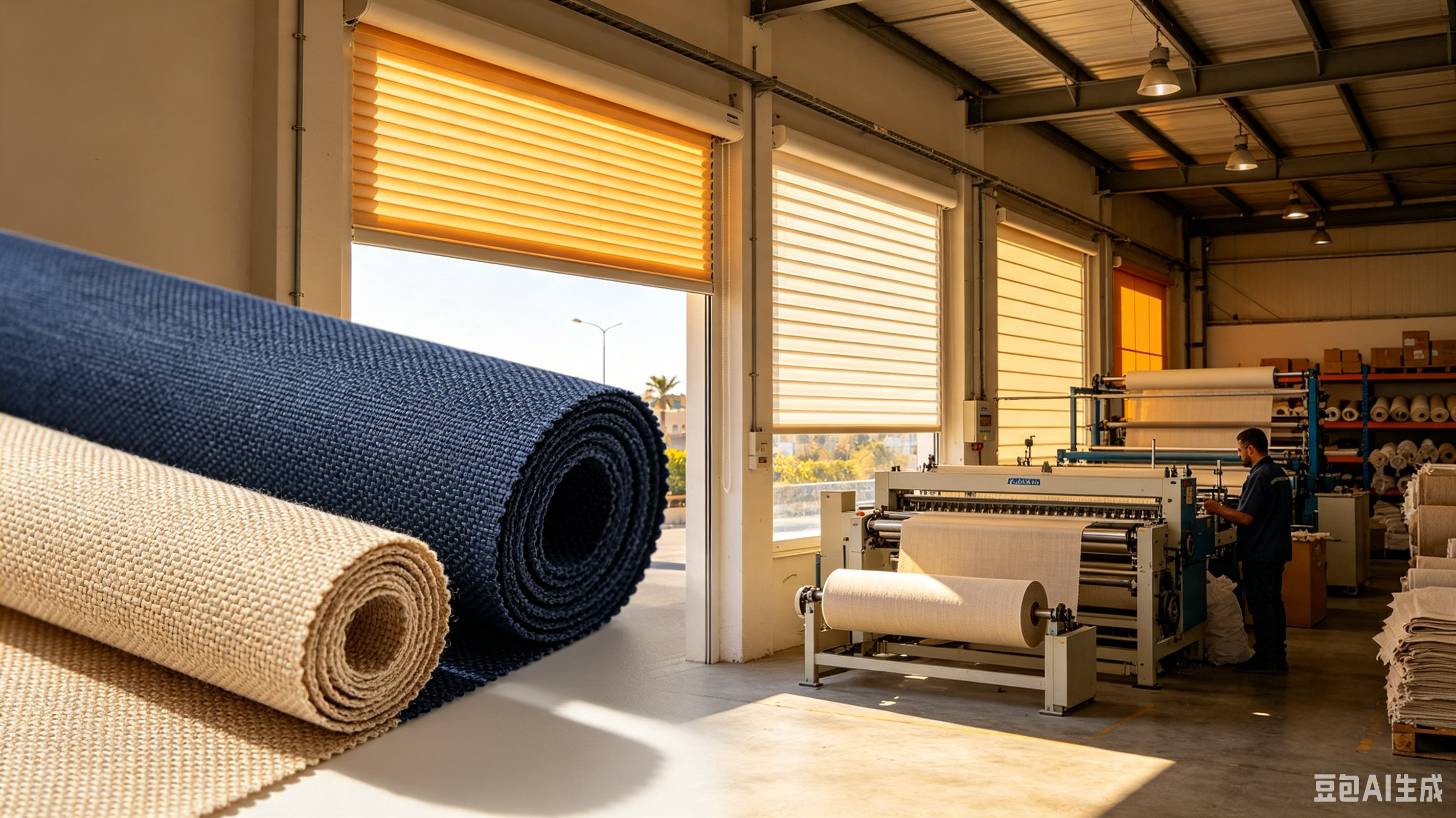
Keqiao in Shaoxing hosts China’s window‑covering industrial cluster and accommodates a complete upstream‑and‑downstream supply‑chain for sun‑shading textiles. Shaoxing Wanbo Import and Export Co., Ltd., a local original‑source manufacturer, carries out businesses covering shade‑fabric research‑and‑development, textile weaving, finished window‑blind fabrication and custom‑engineered sun‑shading schemes. Firstly, factory‑direct sales cut out intermediary mark‑ups and bring down procurement expenses. Secondly, its comprehensive product portfolio accommodates custom‑orders for full‑blackout roller‑blinds, adjustable‑light blinds, honeycomb blinds, zebra blinds, wind‑resistant outdoor roller‑blinds and hotel‑specialised curtains. Thirdly, the facility flexibly handles tiny trial‑run sample‑orders as well as large‑scale engineering contracts covering tens of thousands of square metres. Fourthly, the company stays well‑versed in market‑related legislation across the Middle‑East, Europe and Australia and assists buyers in acquiring qualified local fabric‑inspection accreditations.
IV. New 2026‑2027 trends for the sun‑shading window‑treatment sector, enabling purchasers to prepare for top‑selling merchandise in advance
- Intelligent‑driven innovation: Market share for wind‑light‑rain sensor‑equipped motorised sun‑shading curtains and smartphone‑APP‑operated dimmable blinds keeps climbing. Year‑on‑year sales growth of smart shading curtains has hit 42%, and these goods are destined to become mainstream home‑decor items.
- Eco‑sustainable fabrics. European‑American consumers attach growing priority to recyclable textile feedstocks, and recycled‑material shade fabrics perform well for cross‑border e‑commerce sales.
- Scenario‑specific segmented merchandise: Water‑resistant bathroom venetian blinds, compact mini‑roller‑blinds suited for small‑sized windows, balcony wind‑proof roller‑blinds and hospital‑grade flame‑retardant sound‑insulated curtains. Niche segmented categories face weaker market competition and grant distributors healthier profit margins.
Conclusion
With extreme‑heat conditions turning into an annual global occurrence, functional sun‑shading fabrics have evolved from ordinary household soft furnishings into essential construction energy‑saving supplies. Overseas purchasers ought to steer clear of small‑scale trading intermediaries and prioritise Keqiao‑based source factories with independent fabric‑R&D, finished‑goods processing and stocked‑warehouse capabilities. Select suitable indoor and outdoor shading goods adapted to local climatic conditions, capitalise upon industry trends for intelligent hardware, eco‑friendly textiles and scenario‑tailored customisation and seize the substantial foreign‑trade profit opportunities within this summer’s sun‑shading‑goods market boom.