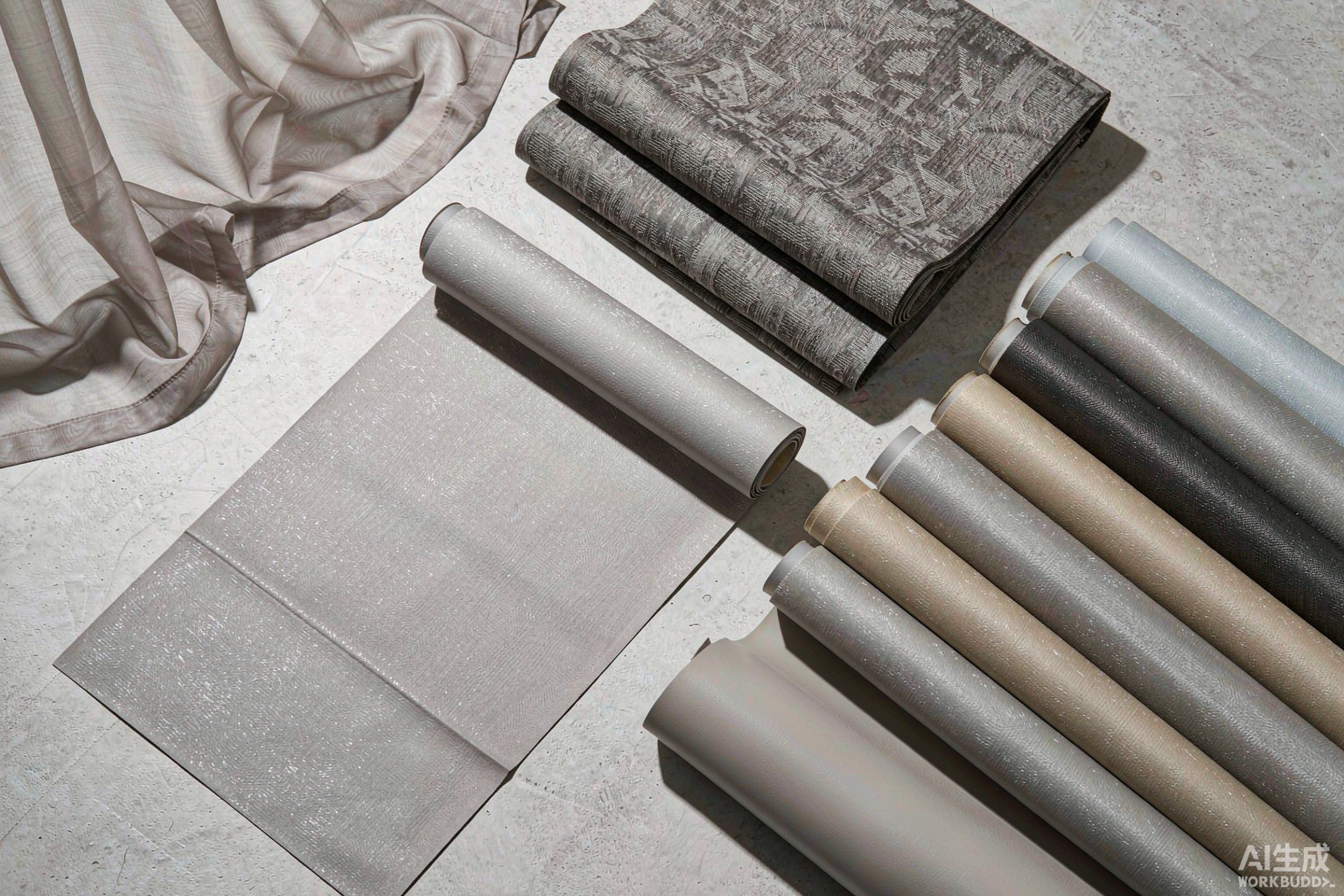
With Asia-Europe rates down roughly 60% from the July peak and ONE rejoining the Suez routing, the cost window for small high-frequency replenishment is open. The two cost accounts, the best-seller categories that suit LCL loops, the 12-week cycle, warehouse discipline and eight practical moves.
When the Full-Container Mindset Breaks: Why Overseas Fabric Buyers Are Switching to Small, Frequent Replenishment
Over the past two years, the way overseas buyers approach us has changed in a very visible way. Before 2023, a typical inquiry opened with “two 40-foot high-cube containers of blackout roller shade fabric, 3,000 meters per color.” Today, more and more inquiries start like this: “I want a 300-meter trial order first. If it sells, I will replenish every three weeks.” These buyers have not become smaller. The risk appetite and working-capital logic of the entire industry have changed. Freight volatility, rising warehouse rents and faster style turnover have made the traditional “fill up the warehouse in one shot” model both expensive and dangerous. In this article we use the latest market data to explain why small-batch LCL replenishment is becoming mainstream, which fabric categories suit this approach, and how to combine replenishment rhythm, ocean freight windows and overseas warehousing into a system that survives more than one quarter.
1. The Market Foundation: Demand Keeps Growing, but Orders Are Getting Smaller
Start with the long-term picture. The global roller shade fabric market reached roughly USD 4.85 billion in 2025, up 3.2% year on year, and is expected to pass USD 5 billion by the end of 2026 (industry-world estimates). Another research house, Data Insights Reports, treats “fabric roller blinds” as a broader segment: about USD 4.67 billion in 2025, projected to reach USD 7.6 billion by 2034 at a 5.5% CAGR, with Europe as the highest-value regional market, blackout representing roughly 37% of product-type revenue and commanding a 20–25% price premium over translucent alternatives. On the demand side there is no problem — renovation cycles, building energy codes and the replacement of traditional drapery by functional window shading keep pushing the market upward.
But the order structure is fragmenting. European wholesalers, after two consecutive years of destocking, are compressing order sizes while raising order frequency. Middle East projects ship in phases tied to handover milestones of each building. In Latin America, shaped by an instalment culture where roughly 70% of retail purchases are paid in installments, retailers prefer small, quick steps. For Chinese suppliers this means the same annual purchase volume is now split into four to eight smaller orders, and the test is no longer one-off delivery capability but consistent, repeatable delivery discipline.
2. The Freight Window: Falling Rates plus the Suez Return Are Making Small Batches Friendlier
The viability of a high-frequency model is directly tied to ocean cost, and October 2026 happens to offer a friendly window. According to the Freightos Baltic Index in early October: Asia to North Europe is around USD 3,260 per FEU and Asia to Mediterranean around USD 3,555 per FEU, down another 2–3% on the week and back to pre-peak levels. The Shanghai Containerized Freight Index stood at USD 2,199 per TEU and USD 3,378 per 40-ft on October 2. Consultancy Linerlytica notes that with more vessels returning to Suez Canal routings, teu-mile demand growth has regressed for the first time since January; Asia–Europe rates have slid roughly 60% from their July peak.
The more consequential change is in network structure: after CMA CGM, Maersk, MSC, Hapag-Lloyd and Cosco/OOCL, ONE has become the latest major carrier to resume Suez transits — its 8,110 teu ONE Continuity is scheduled to transit the canal in mid-to-late October on the South-east Asia–North Europe service, and the Premier Alliance has announced some services will resume Red Sea routings this month. MSC has published new Asia–North Europe FAK rates from October 19: USD 3,150 per TEU and USD 4,500 per 40-ft. The return to Suez shortens Asia–Europe transits from the 38–45 days of Cape of Good Hope routings to roughly 28–32 days — and for a replenishment-driven buyer, every week saved on the water is one notch of safety stock that no longer needs to sit in a warehouse. One caveat: war-risk surcharges and routing insurance clauses must still be confirmed shipment by shipment. Rates and the security situation change daily; this article explains the structure and does not replace a live quotation.
3. Full Container versus LCL Replenishment: Where the Money Actually Goes
Many buyers underestimate the cost difference between the two models because they compare only the ocean rate. That is the most common trap. Let us lay out the real accounts.
Working capital: one container of fabric at USD 150,000 of invoice value ties up that money for 90–120 days from order to sell-through. An LCL batch of USD 20,000–40,000 turns capital every 45–60 days. Inventory risk: fabric has a shelf life — not physical spoilage but pattern obsolescence. Coating base colors and jacquard motifs refresh every year; a container of last season’s print usually ends up discounted at 30% of its value. Duties and cash flow: goods sitting in a destination warehouse generate storage fees and interest every day, while rolling small batches spread duty payments across the sales cycle. Freight rate per unit: this is the one line where LCL genuinely “loses” — per-volume LCL rates typically run 20–40% above FCL equivalents. But in a falling-rate market, and against the capital-efficiency gains above, that premium is usually worth paying.
4. Which Categories Suit Frequent Replenishment: a Best-Seller Map
Not every fabric suits the LCL playbook. By sell-through behavior we group the main categories into three tiers.
Tier one (best for high-frequency replenishment): fast retail turnover, fast style rotation. Matte full-blackout coated woven roller shade fabric is the evergreen workhorse of global projects and home improvement — uniform coating, stable light blocking above 99%, and excellent reproducibility between approved samples and trial batches. UV-resistant high-shrinkage semi-sheer voile is a hot retail item in Australia and the Middle East; it withstands sun exposure and does not yellow easily on long ocean transits. Low-VOC semi-blackout coated fabric moves quickly in European home décor, with high repeat-purchase rates for REACH- and OEKO-TEX-compliant batches.
Tier two (medium batches, quarterly replenishment): ice-crack textured sofa fabric for the high-end hospitality segment — woven jacquard with a distinctive crackle motif and strong color fastness — ships efficiently mixed in the same container as roller blind fabric; jacquard woven fabrics with long pattern-development cycles suit retail brands running seasonal collections.
Tier three (still favor full containers): heavy, low-unit-price, long-lifecycle contract carpet fabric. Freight is a high share of landed cost and styles age slowly, so FCL economies still win. One special warning for Indonesia: under Finance Ministry Decree No. 36, safeguard duties on imported curtains (including drapes), interior blinds, bed valances and other furnishing textiles continue from May 22, 2026 at IDR 9,841 per kilogram in year one (valid to May 2028). In such markets the duty-inclusive cost model must be built before ordering — and a small trial batch is precisely the cheapest way to validate true landed cost.
5. Setting the Rhythm: Treat Twelve Weeks as One Closed Loop
The core discipline of the small-batch model is rhythm. We advise buyers to fix a 12-week loop: weeks 1–4 production (after sample approval, standard-weight blackout coatings and sheer fabrics need roughly 15–25 days); weeks 5–8 ocean transit (28–32 days to base ports via Suez versus 38–45 days via the Cape, with the Red Sea situation still fluid — confirm the actual routing booking by booking); weeks 9–12 sales and data feedback (real sell-through data decides the SKU mix of the next order). Hold safety stock at 1.5–2 loops of demand: replenish a little more often rather than stack one big inventory.
For mature SKUs with stable monthly sales, add an overseas-warehouse layer: ship full containers into a third-party public warehouse or a small forward depot, then deliver to customers weekly. Discipline matters: only “no more than six colors, forecastable monthly demand” basics go into the warehouse. New patterns keep testing the market by direct LCL shipment and enter the warehouse only after they prove themselves.
6. Eight Practical Recommendations: From First Inquiry to Rolling Replenishment
- Design the first order around 200–500 meters per color — enough to test 30–50 finished blinds in the market while minimizing trial cost and verifying the supplier’s sample-to-bulk consistency.
- Sign a rolling replenishment framework with the factory — lock a 6–12-month price formula (indexed to polyester raw material) and a capacity reservation clause; only then do small orders get near-FCL pricing and production priority.
- Keep mixed containers within five categories — coated fabric, sheer, jacquard, sofa fabric and carpet differ in weight and packing form; more categories sharply increase loading losses and customs paperwork complexity.
- Use a nominated forwarder and confirm war-risk clauses shipment by shipment — during the Red Sea/Suez transition, coverage scope, deviation-notice obligations and general-average security all need to be in writing before loading.
- Put the EU ETS environmental surcharge into the landed-cost model — shipping carbon allowances reached 100% phase-in in 2026; major carriers’ Asia–Europe environment surcharges run about USD 170–220 per FEU from October (Maersk EMS/ESS USD 170, ONE EES USD 220, MSC USD 20 plus USD 81–120 per TEU by destination), and LCL pays roughly USD 4 per revenue ton and up — do not let one small invoice line eat the margin.
- Manage warehouse batches with barcodes — assign every roll a unique code bound to the dye lot and shade batch, so a color-difference complaint can be traced to the responsible batch within 24 hours.
- Trigger replenishment on stock levels, not on calendar dates — monitor weekly sell-through of each warehouse SKU and fire a replenishment order when stock drops below four weeks of sales.
- Run a quarterly SKU cull — any pattern with a sell-through rate below 60% for two consecutive loops should be cut without sentiment, freeing warehouse space and cash for proven best-sellers.
Closing: the End Point of Small Batches Is a Deeper Partnership
Small batches, high frequency, many shipments — on the surface buyers are spreading risk, but in substance they are converting the supply chain from a one-shot transaction into a continuously calibrated system, where every replenishment reviews the previous batch’s quality, lead time and sell-through data. For suppliers, being able to serve this model is itself a filter: it demands flexible minimum-order policies, stable shade consistency across many small batches, and the willingness to plug into the buyer’s data systems.
Wanbo has been rooted in the Keqiao shading-fabric cluster for 15 years, supplying roller shade fabric, sheer voile, sofa fabric, carpet, jacquard, high-shrinkage and coated fabrics from one factory. We support mixed-container small orders from 200 meters per color, deliver samples in 15 days and bulk goods in 28 days for standard items, sign price-and-capacity locked agreements for rolling orders, and provide dye-lot-level shade management with barcode batch traceability. If you are moving your purchasing model from full containers to high-frequency replenishment, bring your sell-through data and let us work out the SKU structure and rhythm together.